
Introduction
Are you wondering how long the iPhone 17 256GB battery life can actually last? Battery performance is one of the most important things to consider before buying a new smartphone, especially if you use your phone for social media, video streaming, gaming, photography, and everyday work.
The iPhone 17 combines Apple’s A19 chip, a high-quality display, and iOS 26 power management to deliver strong everyday battery performance. Apple says the iPhone 17 can deliver up to 30 hours of video playback or around 27 hours when streaming videos online, making it a reliable choice for long days of entertainment. It also supports fast charging, which can be useful when you need a quick battery boost during a busy day.
But official figures don’t always tell the whole story. Your actual battery life can vary depending on screen brightness, 5G usage, gaming, video streaming, camera use, and other everyday activities. So, in this guide, we’ll look at the iPhone 17 256GB battery life from a practical perspective and explain what you can expect from normal use.
We’ll also cover charging speed, gaming, 5G battery consumption, battery-saving tips, battery health, and whether the 256GB version is worth buying. If you’re planning to purchase the iPhone 17, this guide will help you decide whether its battery performance is right for your needs.
iPhone 17 256GB Battery Life: What You Can Expect
The iPhone 17 256GB battery life is one of the phone’s strongest everyday features. Apple has paired the A19 chip with iOS 26 and a 6.3-inch ProMotion display to deliver an advertised up to 30 hours of video playback. For streamed video, Apple rates it at up to 27 hours.
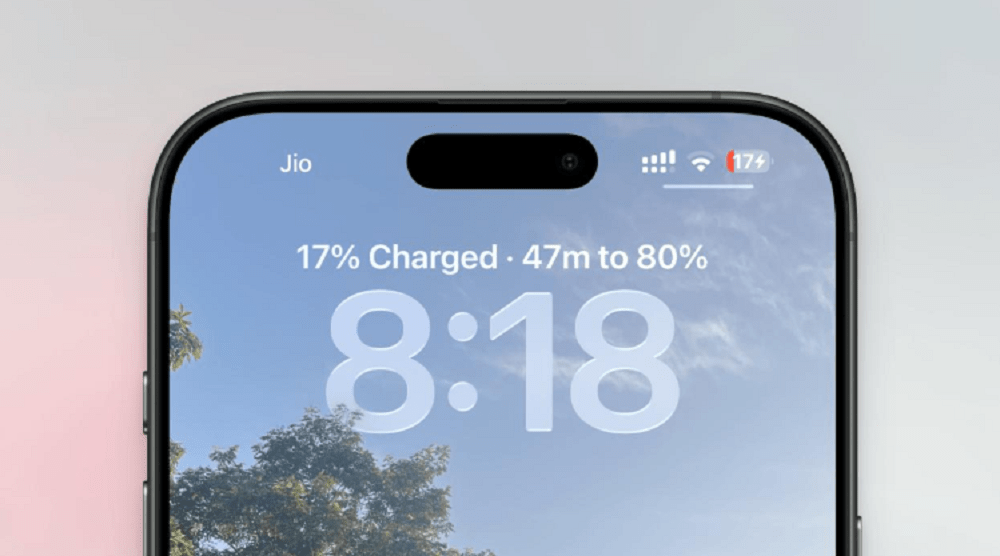
The important thing to remember, though, is that Apple’s laboratory figures aren’t the same as everyday usage. Your actual battery life will depend on screen brightness, mobile signal, 5G usage, gaming, camera use, background apps and other settings.
For a typical user, the iPhone 17 should comfortably handle a full day of messaging, browsing, social media, photography, music and occasional video. Heavy users may need a top-up before the end of the day, particularly if they spend hours gaming or recording 4K video.
iPhone 17 256GB Battery at a Glance
Here are the key official battery figures:
| Battery Feature | iPhone 17 |
|---|---|
| Storage | 256GB / 512GB |
| Video playback | Up to 30 hours |
| Streamed video playback | Up to 27 hours |
| Fast charging | Up to 50% in 20 minutes |
| Recommended fast charger | 40W or higher |
| MagSafe charging | Up to 50% in 30 minutes with 30W+ adapter |
| Battery type | Built-in rechargeable lithium-ion |
| Port | USB-C |
Apple lists both 256GB and 512GB capacities for the iPhone 17, while the battery-performance rating is presented for the iPhone 17 model rather than as a separate 256GB battery rating.
What Apple Says About iPhone 17 Battery Life
Apple’s official specification is straightforward: the iPhone 17 provides up to 30 hours of video playback and up to 27 hours of streamed video playback.
Apple also says the iPhone 17 can reach up to 50% charge in 20 minutes when paired with a 40W adapter or higher and a USB-C charging cable.
This is particularly useful when you’re in a hurry.
For example, if you wake up and realise your phone has only a small amount of charge left, a short charging session can give you useful battery capacity before leaving home.
Apple also highlights the efficiency of the A19 chip and iOS 26’s power management as important contributors to all-day battery performance.
Why the A19 Chip Matters
Battery life isn’t simply about having a large battery. Processor efficiency also plays a major role.
The iPhone 17 uses Apple’s A19 chip, which has a six-core CPU, five-core GPU and 16-core Neural Engine.
Because the processor is designed to handle demanding workloads efficiently, everyday tasks don’t necessarily need to consume as much energy as heavier workloads such as gaming or 4K video recording.
Real-World Everyday Battery Performance
The biggest question isn’t whether Apple can achieve a laboratory number. It’s whether the phone can survive your normal day.
For moderate users, the answer should generally be yes.
A typical day might include:
- WhatsApp and messaging
- Instagram and other social media
- Google searches
- YouTube
- Music streaming
- Taking photographs
- Navigation
- Several phone calls
- Some casual gaming
With this kind of mixed usage, the phone’s battery should be capable of providing a full working or study day.
However, don’t expect 30 hours of actual screen-on time. Apple’s video-playback figure represents a specific controlled test rather than normal mixed usage.
.
Social Media and Web Browsing
Social media can consume more battery than simple messaging because it continuously loads images, videos and advertisements.
Scrolling through Instagram, Facebook or similar apps also keeps the display active and can use mobile data.
Web browsing is generally less demanding than gaming, but long browsing sessions with high screen brightness can still reduce battery life noticeably.
Video Streaming
Video streaming is one of the areas where the iPhone 17 should perform particularly well.
Apple rates it for up to 27 hours of streamed video playback.
Of course, real-world streaming depends on network conditions, screen brightness, video resolution, speaker volume and whether you’re using Wi-Fi or cellular data.
iPhone 17 256GB Battery Life for Gaming
Gaming is a different story.
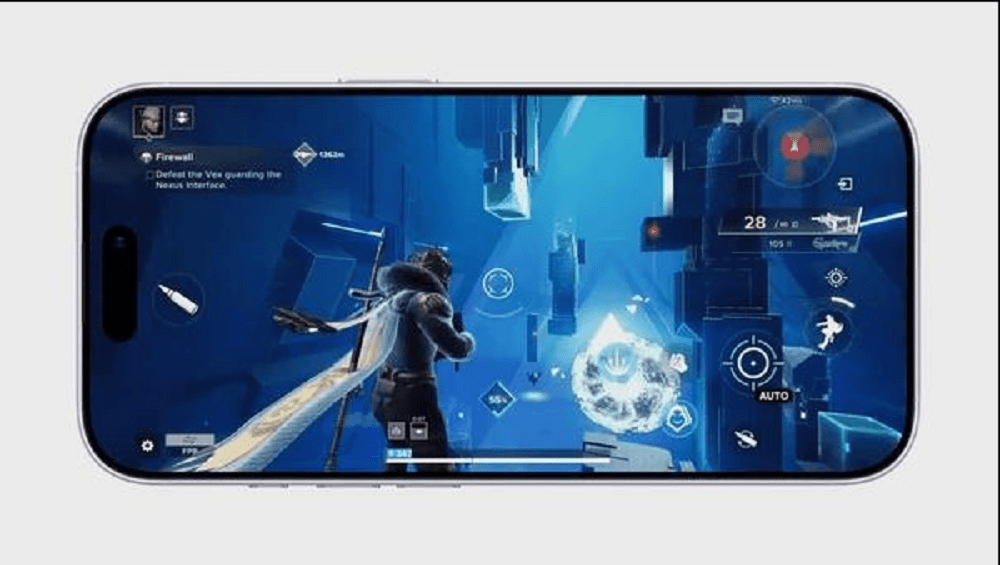
The iPhone 17’s A19 chip and five-core GPU are designed to provide strong graphics performance. Apple specifically highlights hardware-accelerated ray tracing and gaming performance.
Casual Gaming
Casual games such as puzzles, card games and lighter arcade titles shouldn’t create a major battery drain.
You can expect much better endurance when playing lightweight games compared with graphically intensive 3D titles.
Heavy Gaming
Demanding games can use considerably more power because the CPU, GPU, display and networking hardware are working harder.
If you play graphics-heavy games for several hours, the battery will fall much faster than during messaging or music playback.
Heat can also become a factor. When a phone gets warm during sustained workloads, power consumption and performance behaviour can change.
5G and iPhone 17 Battery Consumption
5G is convenient, but mobile connectivity can affect battery consumption.
When you’re in an area with a strong 5G signal, the impact may be manageable. However, if your phone constantly switches between networks or struggles to maintain a weak signal, battery consumption can increase.
The iPhone 17 supports 5G connectivity along with Wi-Fi 7 and Bluetooth 6.
For everyday use, you don’t need to worry excessively about 5G. But if you’re travelling through areas with poor coverage, using Wi-Fi when available can help reduce unnecessary cellular activity.
iPhone 17 256GB Charging Speed
Battery endurance is only half the story. Charging speed matters just as much for people who are always on the go.
The iPhone 17 supports fast charging through USB-C.
Apple says it can reach up to 50% charge in approximately 20 minutes using a 40W adapter or higher.
USB-C Fast Charging
USB-C makes charging more convenient because you don’t need Apple’s older Lightning connector.
For the fastest wired charging experience, you’ll need a suitable high-wattage adapter and compatible USB-C cable.
The charger is an additional purchase if you don’t already have one.
MagSafe Charging
If you prefer wireless charging, MagSafe is another option.
Apple says the iPhone 17 can reach up to 50% charge in 30 minutes using a 30W adapter or higher with a MagSafe Charger.
That’s useful for a desk, bedside table or office setup where convenience matters more than maximum charging speed.
Does 256GB Affect Battery Life?
This is an important question for buyers.
No, choosing 256GB instead of 512GB doesn’t mean you’ll automatically get longer or shorter battery life.
The storage capacity is primarily about how much data you can store.
The iPhone 17 is available in 256GB and 512GB capacities.
For most users, 256GB is already a generous amount of storage.
It’s particularly useful if you:
- Take lots of photos
- Record 4K videos
- Download movies
- Store music offline
- Install many games
- Keep your phone for several years
If you’re buying the phone for long-term use, 256GB is a sensible balance between storage and price.
iPhone 17 Battery Life While Watching YouTube and Netflix
Streaming video is one of the easiest ways to test a smartphone’s endurance.
YouTube, Netflix and similar services combine screen usage, audio and network activity.
On Wi-Fi, streaming can be more efficient than using cellular data in areas with poor reception. Screen brightness also makes a noticeable difference.
The iPhone 17’s 6.3-inch OLED display supports ProMotion with adaptive refresh rates up to 120Hz.
That’s excellent for smooth scrolling and compatible content, although a brighter display and higher refresh rate can influence power consumption.
For long viewing sessions, lowering brightness slightly can help extend battery life without making the viewing experience uncomfortable.
iPhone 17 256GB Battery Life for Students and Commuters
For students, the iPhone 17 256GB can be a particularly practical option.
A normal study day might include:
- Online classes
- Google Docs
- Web browsing
- YouTube lectures
- Music
- Camera use
- Notes
- Social media
This is relatively mixed usage, rather than continuous high-performance work.
Commuters may have a slightly different experience because navigation and mobile data can consume more power.
If you’re travelling for several hours, carrying a compact power bank is still a smart idea.
How to Improve iPhone 17 256GB Battery Life
Even a phone with strong battery endurance can benefit from a few simple adjustments.
Use Adaptive Power Mode
Apple says iOS 26 includes Adaptive Power Mode, which can learn typical battery consumption and help conserve power when you’re likely to run low.
If your priority is making the phone last until bedtime, power-management features can be useful.
Manage Display Brightness
The iPhone 17’s display can reach very high outdoor brightness levels, including up to 3,000 nits peak outdoor brightness according to Apple’s specifications.
That’s fantastic outdoors, but you don’t need maximum brightness indoors.
Using automatic brightness or manually reducing brightness when appropriate can help reduce power consumption.
Control Background Activity
Some apps constantly refresh information in the background.
Reviewing which apps need background activity can help minimise unnecessary battery drain.
Use Wi-Fi When Practical
When you’re at home, school, college or work and have reliable Wi-Fi, using it instead of cellular data can sometimes reduce network-related battery consumption.
Reduce Unnecessary Notifications
Every notification can wake the display or trigger background activity.
Turning off unnecessary alerts can make your phone quieter while potentially helping battery endurance.
iPhone 17 Battery Health
Battery health naturally declines over time because lithium-ion batteries are consumable components.
Your usage habits, charging temperature and charging frequency can influence long-term battery performance.
One important rule is simple: avoid excessive heat whenever possible.
If you’re gaming heavily while charging, for example, the phone may become warmer than during normal use.
Keeping the device at comfortable temperatures and using quality charging accessories is a sensible approach.
iPhone 17 256GB vs Larger Storage: Which Should You Buy? n
If you’re deciding between 256GB and 512GB, battery life shouldn’t be the deciding factor.
Instead, consider how much storage you actually need.
| User Type | Recommended Storage |
|---|---|
| Normal user | 256GB |
| Student | 256GB |
| Social media user | 256GB |
| Frequent photographer | 256GB or 512GB |
| 4K video creator | 512GB |
| Heavy gamer | 256GB or 512GB |
| Long-term storage user | 512GB |
For most people, 256GB offers the right balance of storage, price, and everyday usability.
It gives you enough space for everyday apps, photographs, videos and games without forcing you to pay for storage you may never use.
Pros and Cons of iPhone 17 256GB Battery Life
Pros
- Up to 30 hours of video playback
- Up to 27 hours of streamed video playback
- Fast wired charging
- Up to 50% charge in 20 minutes with a suitable 40W+ adapter
- Efficient A19 chip
- Adaptive Power Mode in iOS 26
- Excellent display for media consumption
- 256GB provides generous storage
Cons
- Actual battery life varies significantly by usage
- Heavy gaming drains the battery faster
- 5G in weak-signal areas can increase consumption
- High brightness can reduce endurance
- Fast charger may need to be purchased separately
Frequently Asked Questions
1. How long does the iPhone 17 256GB battery last?
Apple says the iPhone 17 can provide up to 30 hours of video playback and up to 27 hours of streamed video playback. However, how long the battery actually lasts each day will depend on how you use the phone, including things like screen time, apps, gaming, and streaming.
2. Is the iPhone 17 256GB good for heavy users?
Yes. Its combination of the A19 chip, iOS 26 and strong advertised video endurance makes it a capable choice for demanding everyday users. However, intensive gaming, navigation and continuous 5G use can drain the battery faster.
3. Does 256GB give better battery life than 512GB?
No. Storage capacity isn’t the main factor determining battery endurance. Both capacities are part of the same iPhone 17 model family.
4. How fast does the iPhone 17 charge?
Apple says the iPhone 17 can reach up to 50% charge in 20 minutes with a 40W adapter or higher and a USB-C cable.
5. Does the iPhone 17 support MagSafe charging?
Yes. Apple states that the iPhone 17 can reach up to 50% in 30 minutes with a 30W adapter or higher paired with a MagSafe Charger.
6. Is iPhone 17 battery life good for gaming?
Yes, but heavy gaming will consume considerably more power than normal browsing, messaging or music playback. The A19 chip and five-core GPU are designed for demanding graphics workloads.
7. Can 5G reduce iPhone 17 battery life?
5G can increase power consumption, particularly when the signal is weak or the phone has difficulty maintaining a connection. Using reliable Wi-Fi when available can help.
8. Is 256GB enough for the iPhone 17?
For most users, yes. 256GB is a generous amount of storage for apps, photographs, videos, games and documents. Heavy video creators may prefer 512GB.
9. Is the iPhone 17 good for watching movies?
Yes. The 6.3-inch OLED display, Promotion technology and advertised video endurance make it well suited to streaming and downloaded content.
10. Does the iPhone 17 come with a charger?
Apple’s retail listing and specifications indicate that the fast-charging adapter is sold separately.
Final Verdict: Is iPhone 17 256GB Battery Life Good?
The iPhone 17 256GB battery life is a strong reason to consider this model.
Apple’s official rating of up to 30 hours of video playback and up to 27 hours of streamed video playback puts it in a strong position for everyday multimedia use.
The combination of the efficient A19 chip, iOS 26 power management, ProMotion display and fast charging makes the phone particularly attractive to people who don’t want to constantly hunt for a charger.
The 256GB version is also a sensible storage choice for most buyers. You get plenty of room for apps, photographs, games and videos without necessarily paying for 512GB.
Bottom line: If your priority is a premium iPhone with strong all-day endurance, fast charging and generous 256GB storage, the iPhone 17 is an appealing option. For the best affiliate conversion, however, make sure your buying section clearly explains the charger requirement, storage choice and real-world usage differences rather than relying only on Apple’s laboratory battery figure.
 Check iPhone 17 256GB on Amazon